
What Does a Deep Cleaning Include?
Wondering what does a deep cleaning include? Learn what gets cleaned, what varies by home or business, and what thorough service should cover.
May 14, 2026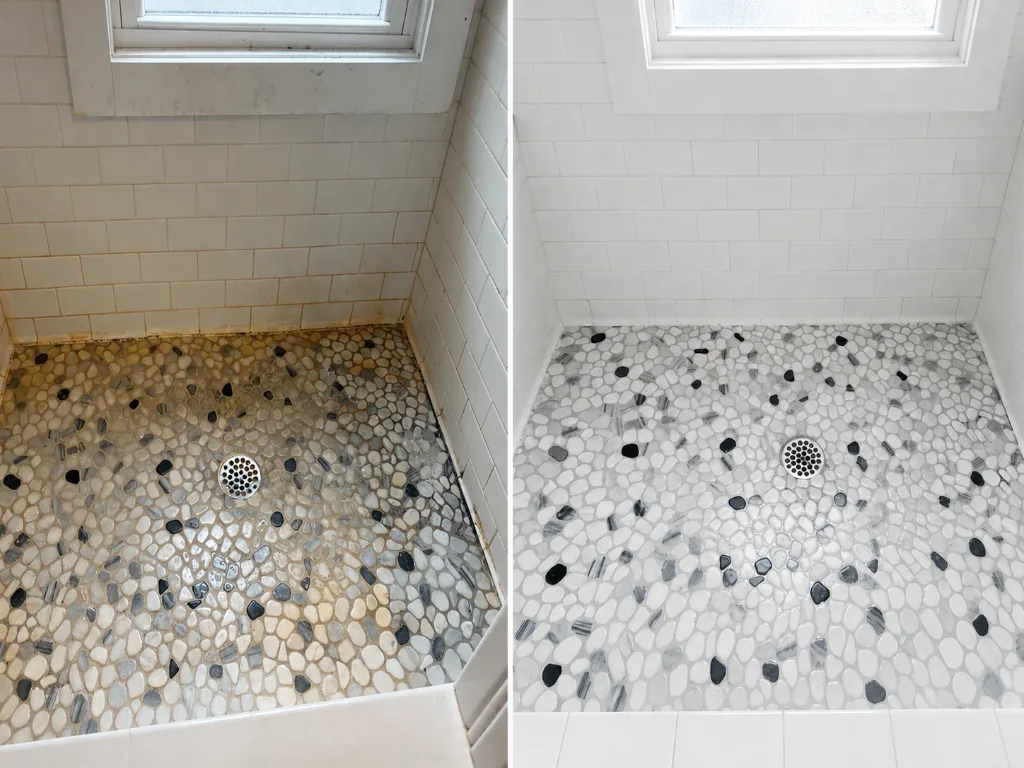
If you have ever walked into a room and thought, "It looks picked up, but it still does not feel clean," you are already asking the right question: what does a deep cleaning include? A true deep clean goes beyond the visible stuff. It handles the grime that builds slowly, the dust that settles where nobody looks, and the sticky, dull, worn-down feeling that regular upkeep does not always fix.
That matters in both homes and businesses. A kitchen can look tidy while grease is collecting on cabinet fronts. An office lobby can seem presentable while corners, baseboards, and floors are holding onto dust and tracked-in dirt. Deep cleaning is about getting back to a stronger standard, not just making a place look decent for the day.
What does a deep cleaning include in practice?
At its core, a deep cleaning is a detailed top-to-bottom service. It covers the surfaces people notice right away, but it also reaches the places that are easy to skip during routine cleaning. The goal is not speed. The goal is thoroughness.
In most spaces, that means dusting high and low, wiping buildup from surfaces, cleaning edges and corners, addressing fingerprints and smudges, and giving extra attention to kitchens, bathrooms, and floors. It often includes hand-detail work that a quick once-over will miss.
This is where the difference shows. A maintenance clean helps keep a place in shape. A deep clean resets the space. For many customers, it is the service they book before starting recurring cleanings, after a busy season, before hosting family, after tenant turnover, or when the space simply needs more than surface-level attention.
The areas a deep cleaning usually covers
Every company has its own checklist, but a quality deep clean should be specific and methodical.
Kitchens
Kitchens collect more than crumbs. They gather grease, splatters, fingerprints, water spots, and food residue that settle in layers over time. Deep cleaning here usually includes wiping cabinet exteriors, cleaning appliance exteriors, sanitizing counters, cleaning backsplashes, spot-cleaning doors and trim, and addressing buildup around sinks and fixtures.
A stronger deep clean may also include attention to the fronts and tops of reachable appliances, the area around the trash can, chair rails or table legs, and floor edges where debris likes to hide. If the service is especially thorough, the floor is not just quickly mopped. It is scrubbed with care so sticky residue and tracked dirt are actually removed.
Bathrooms
Bathrooms need more than a fast wipe. Deep cleaning typically includes scrubbing showers and tubs, cleaning tile and grout areas as needed, sanitizing toilets inside and out, polishing mirrors, wiping counters, and removing buildup around faucets, drains, and hardware.
This is also one of the clearest places to spot the difference between regular and deep cleaning. Soap scum, hard water marks, and grime around the base of the toilet or behind fixtures do not disappear with a light touch. A true deep clean puts labor into those details.
Living rooms, bedrooms, and common areas
In these spaces, deep cleaning usually means detailed dusting of furniture, baseboards, windowsills, blinds, ledges, doors, trim, and other surfaces that gather dust over time. It can also include spot-cleaning marks on doors or switch plates, wiping reachable light fixtures, and vacuuming upholstered surfaces when part of the service.
Floors matter here too. Vacuuming under and around furniture, getting into corners, and treating hard floors with more care than a quick pass can make the whole room feel different. That is often the part customers notice first, even if they cannot immediately explain why the space feels calmer and fresher.
Entryways, halls, and high-touch areas
These are the hardest-working parts of a property. Dirt gets tracked in. Walls get brushed. Doors collect fingerprints. Deep cleaning often includes closer attention to these transition areas because they shape first impressions.
For a business, that first impression affects how customers view your professionalism. For a home, it changes how the entire place feels the moment you walk in.
What is often included that people do not expect?
When people ask what does a deep cleaning include, they sometimes expect only "extra cleaning" in a general sense. The real value is in the detailed work. That may include baseboards, vents, windowsills, blinds, door frames, cabinet faces, switch plates, and floor edges. These are small areas on their own, but together they change the condition of a room.
The other surprise is how much deep cleaning focuses on buildup, not clutter. Cleaning and organizing are not the same thing. A deep cleaning service may tidy items enough to clean around them, but the main job is removing dust, grime, residue, and soil from surfaces.
That is why a home or office can be organized and still need a deep clean. It can also be somewhat cluttered and still benefit from one, as long as the cleaner can reach the surfaces that need attention.
What usually is not included unless requested?
This is where expectations matter. Deep cleaning is more detailed than standard cleaning, but it is not automatically every possible task.
Laundry, dishwashing, decluttering, interior oven cleaning, interior refrigerator cleaning, inside cabinets, inside windows, and heavy post-construction cleanup are often treated as add-ons or separate services. The same goes for biohazard cleanup, mold remediation, pest-related issues, or lifting and moving heavy furniture.
That does not mean those tasks cannot be done. It means you should ask. A dependable cleaning company will be clear about what is covered, what costs extra, and what may require a different kind of service.
Residential and commercial deep cleaning are not exactly the same
The standard of thoroughness should be high in both settings, but the priorities shift.
In a home, deep cleaning is usually about comfort, health, and peace of mind. Families want kitchens and bathrooms truly scrubbed, dust reduced, and floors cleaned well enough that the whole house feels refreshed. They are often looking for relief from the backlog that daily life creates.
In a business, the focus is presentation, sanitation, and consistency. Offices, medical spaces, restaurants, and apartment common areas all have different pressure points. A front desk area may need stronger attention to glass, floors, and touchpoints. A restroom may require more frequent disinfecting and detail cleaning. A customer-facing business may need more frequent attention around entrances, public areas, restrooms, and high-traffic floors.
That is why a one-size-fits-all checklist rarely tells the whole story. A good deep cleaning plan matches the actual use of the space.
How to tell if a deep cleaning is thorough
The biggest sign is simple: the cleaner is paying attention to what most people skip. You should be able to see and feel the difference in corners, edges, fixtures, and floors, not just on the obvious surfaces.
Clear communication is another sign. A professional service should explain what is included, ask questions about your space, and note any areas that need special attention. If a company promises a deep clean but only talks about speed, that is worth noticing. Thorough work takes effort.
This is especially true with floors. A quick mop can spread dirty water around and leave the room looking passable for a short time. Scrubbed floors are different. They remove stuck-on grime and leave behind a cleaner finish that holds up better.
That hands-on standard is one reason many local customers call Broom Hilda's Cleaning Services when they want more than a surface clean. A true deep clean should feel deliberate, not rushed.
When a deep cleaning makes the most sense
Some people schedule deep cleaning seasonally. Others book it before holidays, after renovations, before move-in, after move-out, or before starting recurring service. In commercial settings, it often makes sense before inspections, after slower periods of neglect, or when the space no longer reflects the image the business wants to project.
It can also be the right choice when routine cleaning is no longer catching up. If dust returns quickly, bathrooms never quite feel fresh, or floors still look dull after being cleaned, that is usually a sign the space needs a reset rather than another basic visit.
A good deep clean should fit your space
No two properties are exactly alike. A small condo with one bathroom will need something different than a busy family home. A medical office will not be cleaned the same way as a real estate office or a restaurant dining area. Even within the Detroit Metro area, customers call with different goals, timelines, and problem spots.
That is why the best answer to what does a deep cleaning include is this: it should include the detailed, top-to-bottom work needed to bring your specific space back to a cleaner, healthier, more polished standard. Not rushed work. Not shortcuts. The kind of cleaning that leaves you feeling like the place was truly cared for.
If you are comparing services, ask for specifics, ask how floors are handled, and ask what gets extra attention in kitchens, bathrooms, and high-touch areas. The right deep cleaning should not leave you guessing. It should leave the space feeling noticeably better the minute you walk in.