
Office Cleaning Checklist for Managers: Daily, Weekly & Periodic Tasks
A practical office cleaning checklist for managers covering daily, weekly, and periodic priorities without losing sight of accountability.
June 1, 2026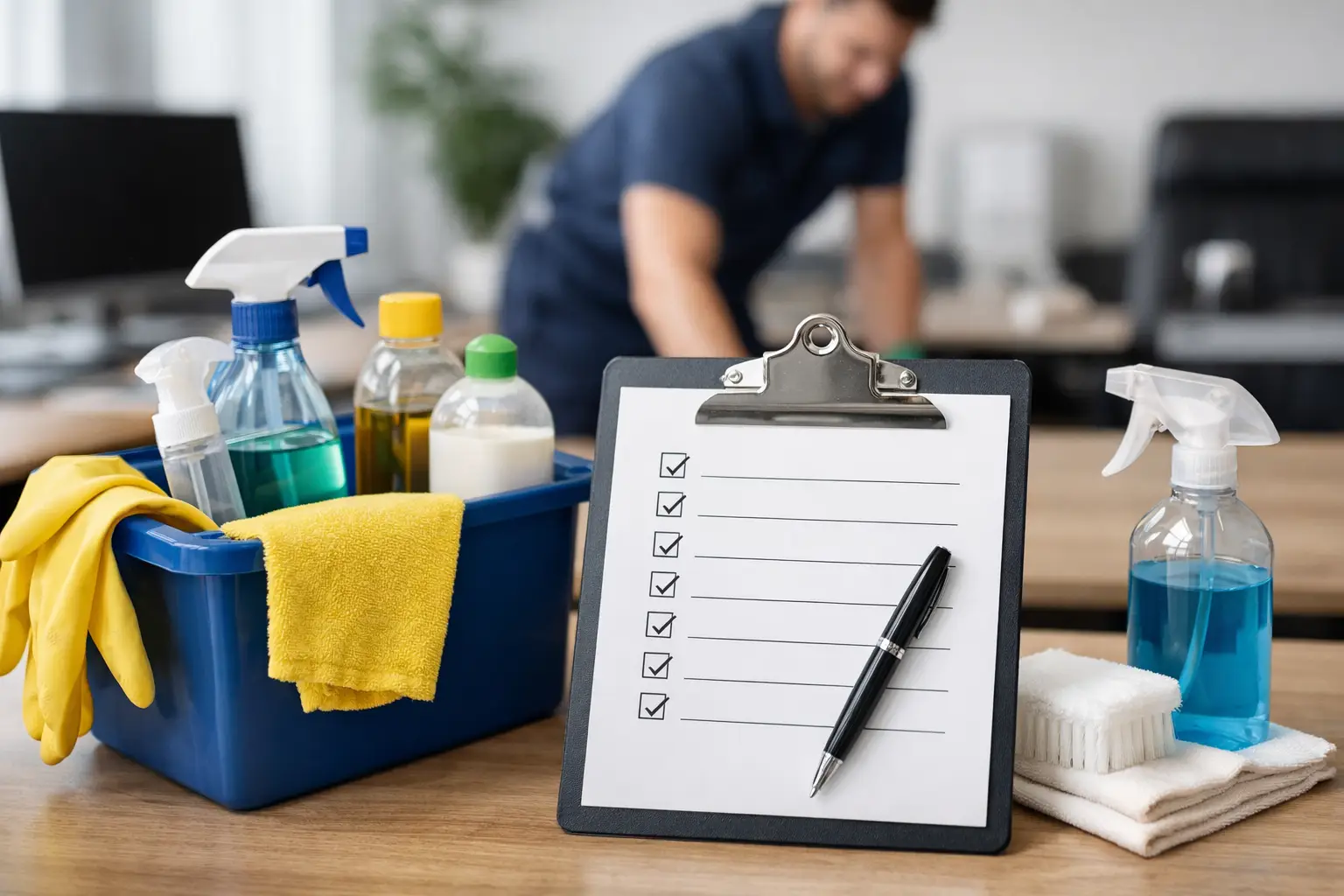
Walk into an office with smudged glass, dusty vents, and floors that look like they were cleaned in a hurry, and people notice. That is why a strong office cleaning checklist example matters. It gives your team or cleaning provider a clear standard, helps protect your professional image, and makes sure important details do not get skipped when the day gets busy.
A good checklist is not just a list of chores. It is a working system. The best ones are built around consistency, traffic levels, and the kind of workspace you run. A small professional office will need a different rhythm than a medical office, a sales floor, or a shared workspace with constant foot traffic. Still, the goal stays the same - clean the whole space thoroughly, not just the obvious spots.
What a good office cleaning checklist example should include
The most useful checklist starts with frequency. Some tasks need attention every day because they affect appearance and hygiene right away. Others can be handled weekly or monthly without causing problems. If everything is marked as daily, the checklist becomes unrealistic. If too much gets pushed to “as needed,” standards slide fast.
The second piece is scope. A solid office cleaning checklist example should cover reception areas, workstations, break rooms, restrooms, floors, touchpoints, and trash. It should also spell out the level of cleaning expected. “Clean floor” can mean a quick pass with a mop, or it can mean corners, edges, and buildup are addressed properly. Those are very different standards.
That difference matters because shortcuts tend to show up first in high-traffic areas. Entrances, restroom floors, and break room surfaces can look acceptable at a glance while still holding grime, streaks, and sticky residue. A checklist should make the expected result clear enough that there is no guessing.
Daily office cleaning checklist example
Daily cleaning is what keeps the office presentable and usable. It handles the surfaces and spaces people notice first, and it lowers the chance of dirt spreading throughout the building.
In the lobby or reception area, dust visible surfaces, wipe down the front desk, sanitize door handles, spot-clean glass, straighten chairs, and remove trash. If your office has branding displays or brochure stands, those need regular dusting too. First impressions are built in the first few seconds.
In work areas, empty trash and replace liners as needed, wipe shared desks or common counters, disinfect high-touch points such as light switches and door handles, and spot-clean fingerprints on glass partitions. Individual desks are often a gray area. Some businesses prefer staff to clear them for cleaning, while others only want common surfaces handled. That should be decided upfront so expectations stay clear.
Break rooms need more than a quick wipe. Counters, tables, microwave handles, refrigerator handles, sink fixtures, and cabinet pulls should be cleaned daily. Spills inside the microwave or around the coffee area should be addressed the same day, not left to harden. Floors in these spaces usually need more attention than office carpet because grease, sugar, and crumbs build up fast.
Restrooms should be cleaned and disinfected every day, and more often in busy offices. Toilets, urinals, sinks, mirrors, dispensers, partitions, and touchpoints all need attention. Trash should be removed, supplies restocked, and the floor cleaned thoroughly, especially around base areas and corners where residue collects.
Floors throughout the office should be vacuumed, swept, or cleaned according to surface type. Entryways often need extra attention because they bring in dirt, salt, and moisture. In a Michigan office, that can change a lot by season. Winter and rainy days can turn a clean floor into a mess in a matter of hours.
Weekly tasks that keep standards from slipping
A daily routine keeps things under control, but weekly work is where deeper cleaning starts to protect the office long term. This is often the difference between a space that looks decent and one that truly feels well cared for.
A weekly office cleaning checklist example should include dusting lower surfaces, ledges, vents, blinds, windowsills, and baseboards. It should also cover a more complete cleaning of glass doors, interior windows, and partition panels. Fingerprints and haze build slowly, so they are easy to ignore until the whole office starts to feel dull.
Chairs, fabric panels, and upholstered waiting area furniture should be vacuumed. Hard floors should be cleaned beyond the center path, with attention to edges and corners. This is where many cleaning routines fall short. A fast pass through the middle of the room may look fine for a day, but buildup starts to show around furniture legs, under tables, and along walls.
Break room appliances should also get weekly attention. That means wiping the inside and outside of the microwave, cleaning the refrigerator exterior and handles, and checking for spills or old food that affects odor. Restrooms may need wall spot-cleaning, polishing of fixtures, and extra attention to grout or floor edges depending on use.
Monthly and periodic deep-clean items
Monthly tasks catch the areas that people do not notice every day but absolutely notice over time. If these items are left out, the office slowly starts to look tired even when daily cleaning is happening.
Include dusting high surfaces, cleaning air vents, wiping doors fully, washing baseboards, removing cobwebs, and detailing light fixtures that are safe to reach. Carpet spot treatment or deeper floor care may also belong here. If your office has tile or vinyl, periodic scrub work matters. A floor that is only lightly mopped over and over will eventually keep a dull film no matter how often it is “cleaned.”
Shared equipment and less obvious touchpoints should be reviewed too. Phones, copier panels, conference room remotes, chair arms, and cabinet fronts collect more grime than most offices realize. These areas often need a planned schedule because they are easy to skip.
Sample office cleaning checklist by area
If you are building your own checklist, organizing it by area usually works better than one long mixed task list. It helps cleaners move through the building methodically and makes inspections easier.
Reception and common areas
Wipe desks and counters, dust surfaces, sanitize handles and switches, clean visible glass, empty trash, and vacuum or clean floors. Weekly, add vents, baseboards, and furniture detailing.
Offices and workstations
Remove trash, wipe common surfaces, disinfect touchpoints, and vacuum floors daily or according to use. Weekly, dust ledges, clean glass, and detail around furniture. If confidential paperwork is common, decide what can and cannot be moved before service begins.
Break room
Clean counters, sink, tables, appliance exteriors, and touchpoints daily. Empty trash and clean the floor thoroughly. Weekly, clean appliance interiors as needed and address buildup in corners, under tables, and along backsplash lines.
Restrooms
Disinfect toilets, sinks, fixtures, partitions, and touchpoints. Restock paper products, soap, and liners. Clean mirrors and floors carefully every day. Weekly or monthly, add detailed wall cleaning, grout attention, and fixture polishing based on traffic.
How to make the checklist actually work
The best checklist on paper still fails if it is too vague or too ambitious. Start by matching the schedule to real traffic. A five-person office with limited visitors may not need the same daily detail as a busy front office with customers coming through all day. On the other hand, if image matters heavily to your business, reception and restrooms should stay on a higher standard no matter the office size.
It also helps to define what “clean” means in your building. If your expectation is true top-to-bottom cleaning, say that clearly. Floors should not just be passed over. Surfaces should not just be straightened. The quality standard should be written in a way that leaves little room for shortcuts.
This is where many businesses benefit from working with a professional cleaning company. A dependable team can turn a checklist into a repeatable routine, adjust it by season and traffic, and catch the details that are easy to miss during in-house cleaning. For offices around Ferndale, Hazel Park, and nearby communities, that kind of consistency matters because your workplace reflects your business before anyone says a word.
One more thing is worth building into the process - accountability. Checklists should be reviewed, not just completed. Walkthroughs, periodic deeper inspections, and a clear system for fixing missed items make a big difference. A cleaning plan only works when someone is willing to stand behind the result.
If you are creating your own office cleaning checklist example, keep it practical, thorough, and honest about what your space needs. A shorter checklist done well beats a long one that gets rushed. And when the job calls for more than surface-level upkeep, it is worth choosing a standard that leaves the office truly clean, not just temporarily tidied up.
A clean office should help your team feel focused and help your visitors feel confident the moment they walk in.